
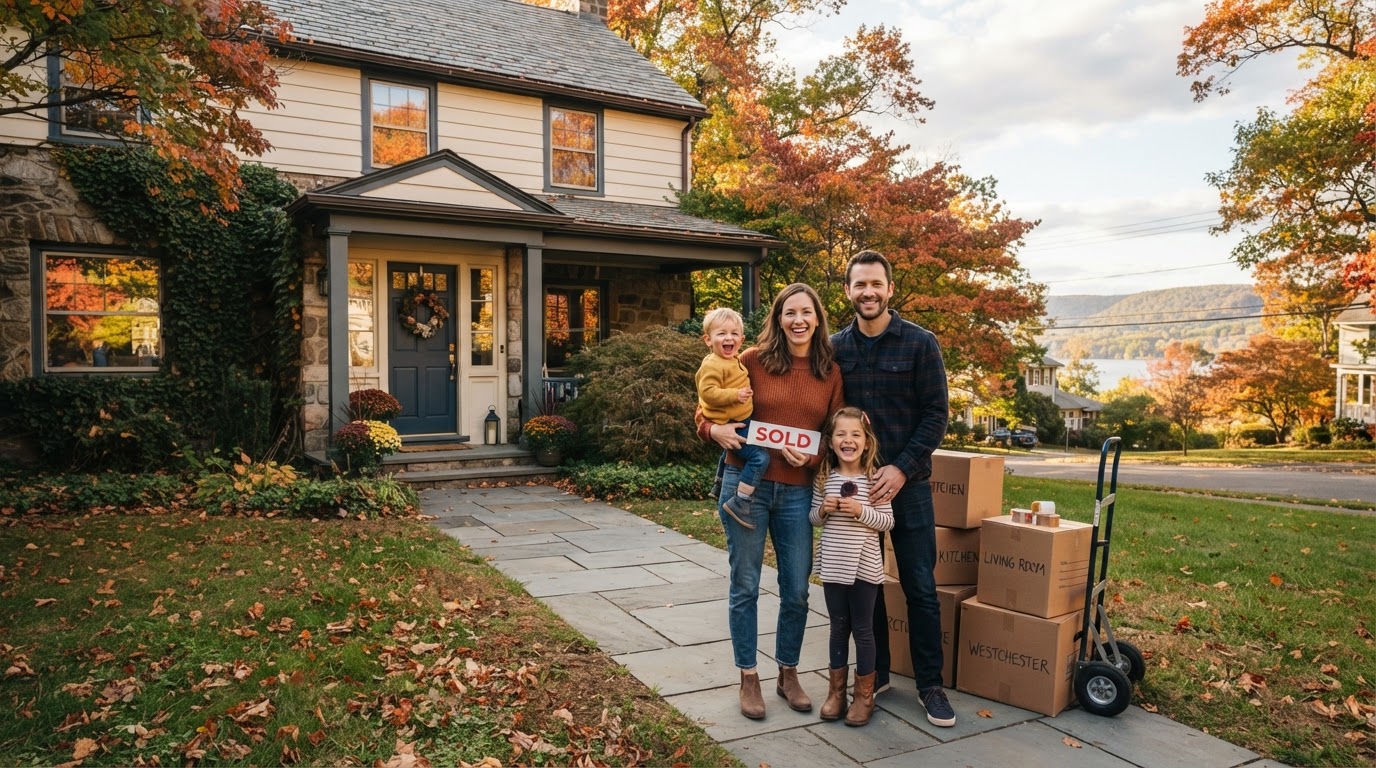
Most people who contact me about leaving the city are not unhappy with New York. They are out of room. The apartment that worked at twenty-eight feels different at thirty-five with a toddler, a stroller, and a second adult working from the kitchen table. Westchester County sits just north of New York City, a mix of suburban neighborhoods and busy downtown areas that includes towns along the Hudson River. The question is rarely whether to move. It is which town, which commute, and which numbers actually work.
I am Laura Krasniqi, a licensed REALTOR® at Joseph Baratta Realty & Co., and I work with buyers, sellers, renters, and landlords across Westchester County. My approach is education first. You should understand what you are buying into before you sign anything, and you should never feel rushed into a town because someone told you it was "the good one."
Why So Many New Yorkers Look North
The pull toward Westchester tends to come from four things at once: more space, strong schools, a yard, and a commute that still connects to Manhattan. Those are the reasons people describe most often when they talk about leaving the city, and they usually arrive together. A family does not decide they want a driveway. They decide they want a little breathing room, and the driveway comes with it.
There is also a practical shift that surprises people in a good way. Living in Westchester generally makes car ownership much easier, with parking available in far more places than most city residents are used to. For someone who has spent years circling blocks or paying for a garage spot, that alone can feel like a lifestyle change.
Many households make the move once children enter the picture. That timing is not a coincidence. School calendars, bedtime routines, and the logistics of getting a kid to a playground without crossing four lanes of traffic all start to matter more than proximity to a favorite restaurant.
The Commute: Metro-North and Realistic Expectations
Metro-North is the backbone of the city commute for a large share of Westchester residents, and it is usually the first thing buyers want to talk about. Here is the honest version: your commute is not one number. It is a chain of them. The walk to the station, the wait on the platform, the ride itself, and the walk from Grand Central to your office all add up, and the total is what you actually live with every day.
That total varies by line, by station, by time of day, and by how often you need to be in the office. Before you fall in love with a house, do the following:
- Look up the schedule for the specific station you would use, not a generalized map of the county.
- Test the trip at the hour you would actually travel, including the walk on both ends.
- Ask about commuter parking at that station, and confirm permit rules with the town or the railroad rather than assuming every station works the same way.
- Check how service changes on weekends and evenings if you plan to use the train for more than work.
Buyers who do this homework early tend to be far happier six months after closing. Buyers who skip it sometimes discover that the town they chose adds a car ride to the station they did not budget for, either in time or in daily logistics.
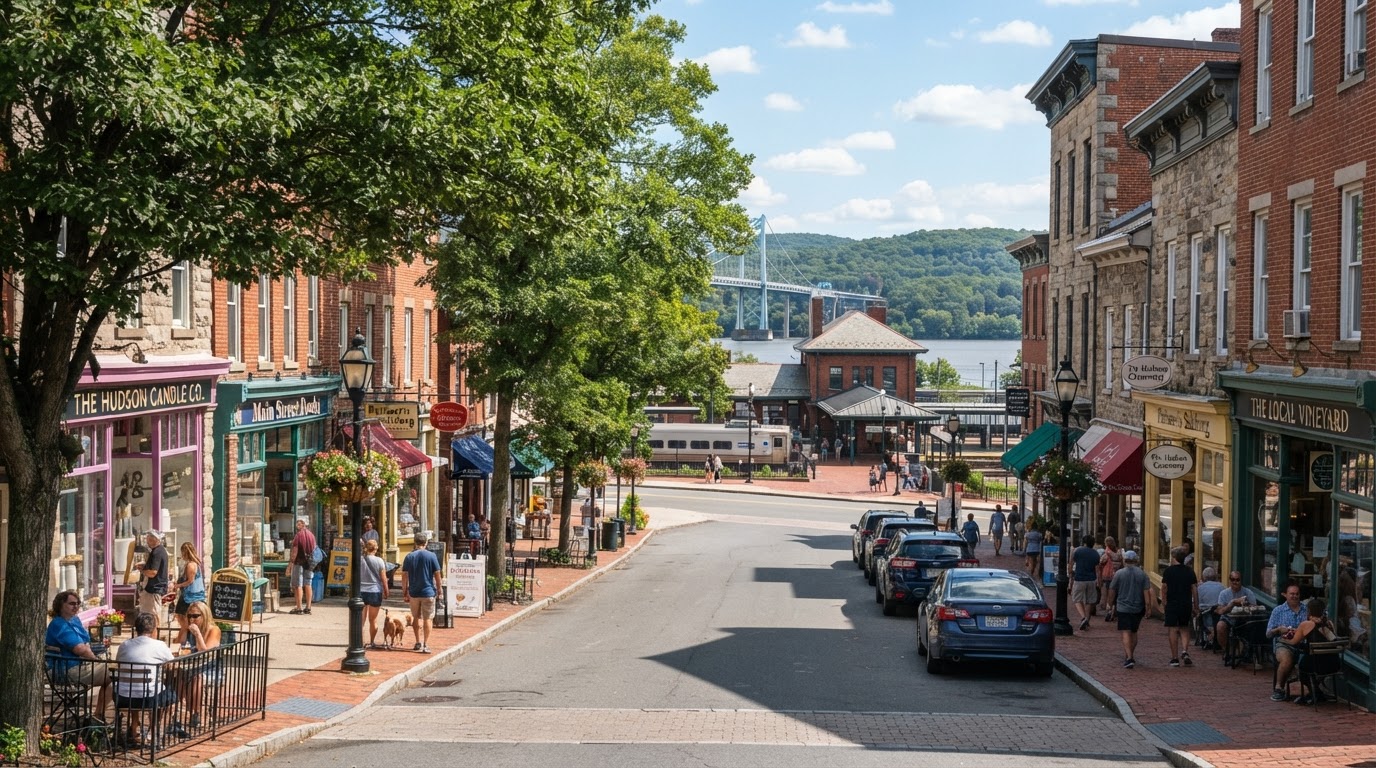
Cost of Living: The Honest Trade-Offs
Leaving the city does not automatically mean spending less. It usually means spending differently. Rent is replaced by a mortgage, and that mortgage comes with property taxes, homeowners insurance, utilities, and maintenance that a landlord used to handle. If you buy a house with a yard, you are now the person who deals with the yard.
Property taxes are the line item that catches the most city buyers off guard. They vary significantly from one municipality to another and from one property to the next, so do not rely on a general rule of thumb you heard from a friend. Ask your lender to run numbers on a specific address, and confirm the tax figures with the relevant municipal or county office before you make an offer. A realistic monthly budget should also account for a car, fuel, insurance, and possibly a second vehicle if both adults commute in different directions.
The flip side is what you get for the money: square footage, storage, outdoor space, and rooms that do not have to serve three purposes at once. For most families I work with, that trade feels worth it. The point is to make the trade with your eyes open, not by surprise.
Choosing a Town Without Guessing
Westchester is not one place. It is dozens of municipalities with different downtowns, housing stocks, lot sizes, and personalities, and the difference between two towns ten minutes apart can be larger than the difference between two neighborhoods in the same borough.
I publish town-level community guides for Briarcliff Manor, Tarrytown, White Plains, Dobbs Ferry and the Rivertowns, Ossining, and Croton-on-Hudson, and I add to that list as clients ask about new areas. Those guides exist so you can compare at a high level before you spend a Saturday driving around. Once you have two or three candidates, narrow them with a short list of priorities:
- Door-to-door commute time, measured at your real travel hour.
- Whether you want a walkable downtown or prefer quiet streets and a bigger lot.
- Housing type: single family, condo, co-op, or rental.
- School district and specific attendance area, verified with the district itself.
- What your monthly number looks like after taxes, insurance, and transportation.
A weekday evening visit tells you more about a town than a Sunday afternoon open house ever will. Traffic, noise, parking, and how alive the downtown feels on a random Tuesday are all things you can only learn in person.
Schools, Districts, and What to Verify
Strong schools are one of the main reasons families leave the city, and they are also the reason many buyers are willing to pay more for less house. That makes school research important and also easy to get wrong.
School district boundaries do not always follow municipal or village lines. A house with a mailing address in one town may sit in a different district, or in a different attendance area within the same district. Before you write an offer, confirm the district and the specific school assignment directly with the district office, along with any program details, enrollment timelines, and transportation questions you have. District staff are the authoritative source, and they are usually happy to answer a call from a family that is planning ahead.
I am an educator by temperament, which means I would rather hand you the right phone number than give you a confident answer I cannot back up. Verify the specifics, then buy with confidence.

Buying from the City: How the Process Works
Buying in Westchester is not the same as moving within New York City, and the process rewards preparation. The sequence usually looks like this:
- Talk to a lender and get pre-approved, with a monthly payment that includes taxes and insurance, not just principal and interest.
- Gather your documents early: income verification, asset statements, and identification.
- Work with a real estate attorney to review contracts, which is customary in New York transactions.
- Tour efficiently. Group showings by town and day so you are not making six separate trips.
- Make an offer, negotiate, then complete inspection, appraisal, and attorney review.
- Close and plan your move.
Some buildings and associations require board applications or interviews, particularly with condos and co-ops, so build extra time into your timeline if that applies to the property you choose. From first search to closing typically takes months rather than weeks, and the pace depends on inventory, your financing, and how quickly documents move.
If you are shopping from the city, lean on video walkthroughs and agent previews. They save you hours of travel and they help you reserve your in-person visits for homes that are genuinely serious contenders.
Renters and Landlords: A Lighter Transition Path
Renting in Westchester for a year before buying is a perfectly reasonable strategy, especially if you are torn between two towns or if you want to test a commute before committing to a mortgage. I work with renters and landlords as well as buyers and sellers, so I can help you evaluate lease terms and understand what you are signing. Confirm lease details, fees, and building rules with the landlord or management company, since those terms are specific to each property.
For landlords, the same local knowledge works in reverse: understanding what tenants in a given town are actually looking for and how your property compares to nearby options.

How I Work With NYC Transplants
My job is to make a complicated, emotional decision feel manageable. That means walking you through the numbers before you fall in love with a listing, telling you what I would verify and with whom, and being direct when a town is a poor fit for your commute or budget rather than simply agreeing with you.
If you are still planning and want a sense of what your current home is worth, or what your position would look like in the Westchester market, start with a free home valuation request through my site. If you are ready to buy and want someone in your corner from the first tour to the closing table, reach out about buyer representation. Either way, you will get straight answers and a plan, not pressure.
Frequently Asked Questions
For most families I work with, yes. The gains in space, schools, a yard, and easier car ownership are real, and so is the commute connection back to Manhattan. The trade-offs are property taxes, maintenance, and transportation costs. Whether it is worth it depends on your budget and how you personally weigh daily conveniences against long-term space.
Many households find that car ownership is much easier in Westchester than in the city, with parking available in far more places. Some downtown areas are walkable and connect to Metro-North, which can reduce how often you drive. Test your specific town and station before deciding whether one car is enough or two make more sense.
Confirm the district and the specific attendance area with the district office directly, because boundaries do not always match municipal lines. Ask about enrollment timelines, program details, and transportation. District staff are the authoritative source, and a short phone call in advance will save you from surprises after you close on a home.
Renting for a year is a smart option if you are split between two towns or want to test a commute before committing to a mortgage. Buying sooner works well when your town, budget, and timeline are already clear. I help with both, so the decision can be based on your situation rather than on market pressure.
Get pre-approved by a lender with a monthly payment that includes taxes and insurance, and gather income and asset documents early. Group tours by town so you limit trips from the city, and use video walkthroughs to narrow the list. Preparation is what keeps a competitive market from feeling overwhelming.