Listing a Westchester County home is not one decision. It is a series of them: what to repair, what to price, when to launch, and how to weigh the offers that come back. Laura Krasniqi, a licensed REALTOR® at Joseph Baratta Realty & Co., has built her seller practice around walking people through those decisions one at a time. She describes her role as educator and advocate, never a salesperson, and she begins almost every seller conversation with a free home valuation rather than a listing agreement.
That order matters. Sellers in Ossining, Briarcliff Manor, Croton-on-Hudson, Tarrytown, Dobbs Ferry, White Plains, and the wider Rivertowns corridor are working with a market that rewards preparation and punishes guesswork. The sections below cover the pieces that move a sale forward: valuation, market context, pricing, preparation, timeline, closing costs, and the local rules that occasionally apply.
Start With a Free Home Valuation, Not a Listing Agreement
The free home valuation and comparative market analysis, usually called a CMA, is the starting point Laura recommends for every seller. It costs nothing to request, it requires no commitment, and it gives you a defensible number to react to before you decide whether listing is the right move this year, next year, or not at all. Sellers who request a valuation early tend to make calmer decisions later because the pricing conversation has already happened once without pressure attached to it.
What a CMA Actually Shows You
A comparative market analysis assembles recent sales of homes that resemble yours and shows how buyers have actually been paying, not what neighbors hope their houses are worth. A useful CMA typically covers:
- Recent closed sales nearby, with adjustments for size, condition, lot, and updates
- Homes currently on the market, meaning your direct competition on day one
- Listings that started high and later reduced, which reveals where buyer resistance begins
- A realistic price range rather than one single number, since appraisers work in ranges too
Westchester County's public sales data is unusually rich, which helps this process. Browsing recently sold homes in Westchester County returns tens of thousands of transactions across the county, more than 29,000 by one count, and each record carries photos, sales history, and details that can be sorted by town and property type. That volume is a resource for sellers, but it also means raw numbers without local interpretation can mislead. Two sales with the same bedroom count in the same ZIP code can differ for reasons that only make sense once you know the street, the school boundary, or the condition behind the photos.
Why Education Comes Before Marketing
Laura's stated approach is to explain the process until you can make your own call, then to execute it well. In practice that looks like a first conversation about your timeline, your reasons for selling, and what you would need to net, followed by a written valuation, and only then a discussion about whether to list and how. There is no obligation built into the valuation request, and there is no script pushing you toward a signature the same afternoon.
Reading the Westchester County Market Before You Price
Westchester is not one market. It is a patchwork of villages, hamlets, and unincorporated areas, each with its own buyer pool, commute pattern, and school district draw. A four bedroom colonial in one Rivertowns village may attract a different set of buyers than a similar house twenty minutes in another direction. That is why countywide averages are useful for context but rarely useful for your specific pricing decision.
It also helps to know what alternatives sellers are weighing. On community forums, Westchester sellers have openly questioned whether a six percent commission is worth it, and some consider selling without an agent entirely. Others look at companies advertising fast cash offers, where a representative walks the property and presents an as-is cash offer within a short window, often cited as 48 hours. Each path has a tradeoff. A cash offer usually trades price for speed and certainty, while a traditional listing usually trades time and preparation for a higher sale price. Neither is automatically right, and the honest answer depends on your timeline and your tolerance for showings.
Pricing Strategy for Local Homes
Pricing is the single lever with the largest effect on how your sale unfolds. Set it too high and the first two weeks, when buyer attention peaks, are spent in silence. Set it well and you generate competition while your listing still looks new. Set it low and you may leave money on the table, though that risk is smaller than most sellers assume.
Why Two Houses on the Same Street Price Differently
Condition, lot position, updates, layout, and school attendance boundaries all shift value. A renovated kitchen, a level yard, a finished lower level, or a quieter side of the street can justify a meaningfully different list price than the house three doors down. Seasonality plays a role as well, and while there is no single hardest month to sell documented for Westchester in the available research, sellers should treat spring and fall demand patterns as local rather than universal and confirm current conditions with their agent before setting a launch date.
The Cost of Overpricing
An overpriced listing rarely just sits. It usually loses its launch momentum, then requires a reduction that buyers read as a sign of trouble. Appraisal is the other constraint: if a buyer's lender appraises the home below the agreed price, the deal can stall or need renegotiation. Realistic pricing from the start avoids both problems. One practical habit is to review your competition weekly, because your real comparison is the home a buyer will tour after yours, not the sale that closed last season.
Preparing a Westchester Home for Sale
Preparation is where sellers have the most control and often the least patience. Westchester Magazine gathered selling advice from six of the county's top real estate professionals in a 2025 feature, and step by step guides published for local sellers consistently group preparation under the same headings: pricing, staging, marketing, and negotiation. Those four categories are a fair outline of the work ahead.
Repairs and Condition
Focus on anything a buyer's inspector will flag and anything a buyer will photograph and remember. Water stains, sticking doors, failed seals around windows, older heating equipment, and obvious deferred maintenance all cost more in negotiation than they cost to address beforehand. Cosmetic refresh work, such as paint in neutral tones and updated light fixtures, tends to return more than major projects done purely for a sale.
Staging, Photography, and Launch Day
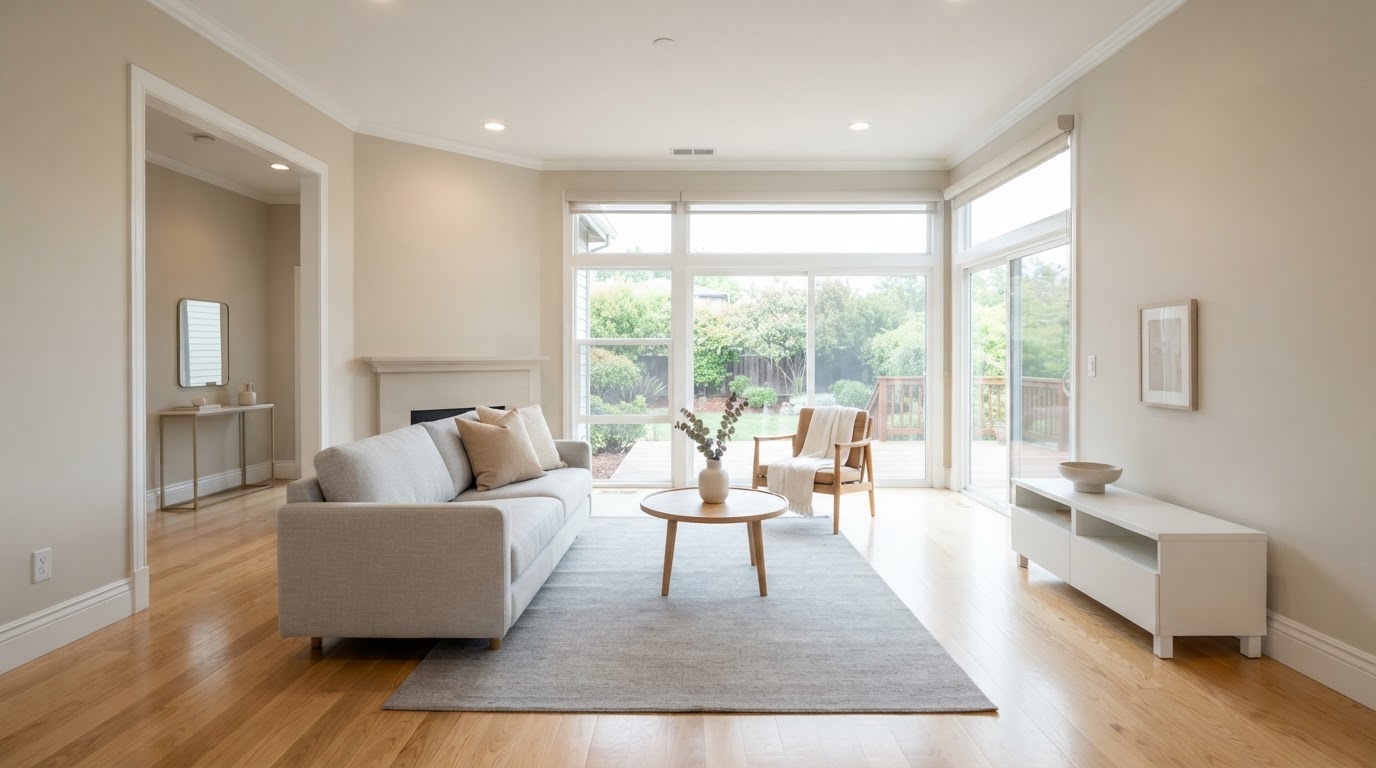
Staging in occupied homes is mostly subtraction: clear counters, thin out furniture, remove personal photos, and let each room show its purpose. Professional photography and a floor plan follow, because most buyers see your home online first and decide within seconds whether to schedule a tour. Before launch, confirm that your disclosures, showing instructions, and pricing are settled, so the first weekend of activity runs without interruption.
The Selling Timeline for Westchester Sellers
A straightforward Westchester sale often takes about six to twelve weeks from launch to closing, with the exact timing depending heavily on pricing and on how prepared the home is when it hits the market. The table below shows the rough sequence and who tends to be involved at each stage.
| Phase | What Happens | Who Is Typically Involved |
|---|---|---|
| Valuation and planning | Free home valuation, pricing range, prep list, timeline decision | Seller and listing agent |
| Preparation | Repairs, cleaning, staging, photography, disclosure paperwork | Seller, agent, chosen contractors |
| Launch and showings | Listing goes live, tours are scheduled, feedback is collected weekly | Seller, agent, buyers and their agents |
| Offers and negotiation | Offers reviewed, terms compared, counteroffers exchanged, price and concessions settled | Seller, agent, buyer's agent |
| Contract and due diligence | Inspection, appraisal, and buyer financing proceed while both sides work toward the closing date | Attorneys, lender, inspectors, appraiser, agents |
| Closing | Final walkthrough, documents signed, keys and funds transferred | Attorneys, title or closing professionals, lender, agents |

Selling and Buying at the Same Time
Many Westchester sellers are also buyers, usually moving within the county or relocating out of state. Local guidance on doing both at once, published in December 2024, frames the core problem plainly: your sale and your purchase rarely line up on their own. Sellers generally choose between selling first and arranging interim housing, buying first with the financial strain that creates, or timing the two together with contingencies built into the contracts. Each structure has real tradeoffs, and the right one depends on your down payment, your financing, and how much uncertainty you can absorb. Bring your lender and attorney into that conversation early.
Closing Costs and Commission Questions
Seller closing costs in Westchester County are estimated by one county-specific closing cost calculator at roughly 6.5 percent to 8 percent of the sale price, though that same source notes certain low-commission or limited-service models can bring a seller's total to around 1 percent to 2 percent. Transfer taxes, attorney fees, title charges, and any agreed buyer concessions all feed into the final figure, and the totals vary with your contract terms.
Because those numbers are consequential, treat any published estimate as a starting point and confirm your own projected costs with an attorney and a lender before you sign a listing agreement. The topic of what sellers owe in taxes after a sale also deserves a direct conversation with a tax professional, since the outcome depends on your basis, holding period, and filing situation rather than on any general rule.
Selling a Fair and Affordable Home in Westchester County
Some Westchester homes carry affordability restrictions, and they follow a separate process. If your home is part of the county's fair and affordable housing program, the first step in selling is to notify the Westchester County Department of Planning. The county's fair and affordable housing pages list Ms. Joyslin Hodge-Watson as a contact for questions about eligible sales. If you are unsure whether your property carries a restriction, check your deed and original purchase documents, then confirm the requirement with the county before listing so you do not lose time later.
Communities Served Across the Rivertowns and Central Westchester
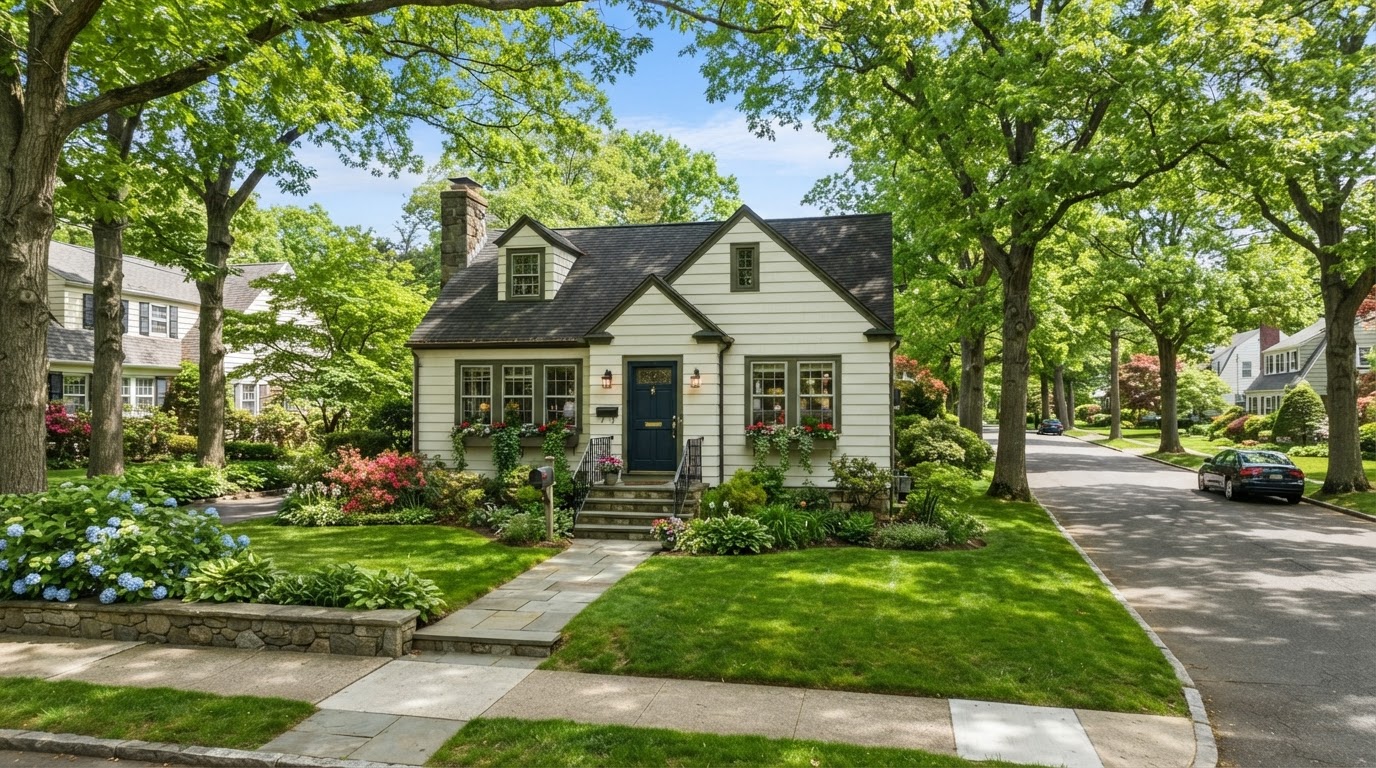
Laura works with sellers throughout the county, with particular depth in Ossining, Briarcliff Manor, Croton-on-Hudson, Tarrytown, Dobbs Ferry, White Plains, and the surrounding Rivertowns communities. Each has its own buyer profile. Some draw commuters who want a Hudson River town with a walkable center and Metro-North access, others attract families focused on school district boundaries, and still others appeal to buyers wanting more land, older architecture, or proximity to White Plains for work and errands. If you want to know who is currently looking in your specific neighborhood, that is exactly what a free valuation conversation is for.
If you are weighing a sale, start with information rather than a decision. Request a free home valuation or CMA, ask your questions, and get a clear picture of your pricing range, your prep list, and your realistic timeline. There is no pressure to list, and no obligation attached to the request. When you are ready, the plan is already in place.
Frequently Asked Questions
A straightforward Westchester sale often runs about six to twelve weeks from the day your listing launches to the day you close. Pricing and preparation drive most of the variance. A well-priced, ready home tends to move through offers, inspection, appraisal, and financing more predictably, while an overpriced listing can sit for weeks before its first serious offer arrives.
Yes, the valuation is free and carries no obligation. It is a comparative market analysis built from recent local sales and current competition, delivered along with a realistic price range and a prep list. You can use it to plan a sale next season, decide against moving, or simply understand your equity, without ever signing a listing agreement.
Cash offers are one legitimate option among several. Companies advertising fast cash offers typically walk the property and present an as-is offer quickly, often within about 48 hours, which suits sellers who need speed and certainty. The tradeoff is usually price. A traditional listing takes longer and requires preparation, but typically puts your home in front of more buyers.
One Westchester-specific closing cost calculator estimates seller costs at roughly 6.5 percent to 8 percent of the sale price, with certain low-commission models bringing totals to about 1 percent to 2 percent. Your actual figure depends on transfer taxes, attorney and title fees, and any concessions you agree to. Confirm your own projections with an attorney before listing.
If your home is part of Westchester County's fair and affordable housing program, the required first step is notifying the Westchester County Department of Planning. The county's housing pages list Ms. Joyslin Hodge-Watson as a contact for questions. Check your deed and purchase documents, then confirm any restriction with the county before you list.